LED Stadium Light Compliance Requirements for Australian and Global Projects
When purchasing LED stadium lights, buyers need to consider electrical compliance, product documentation, photometric data, and destination-market requirements in addition to wattage and lumen output.
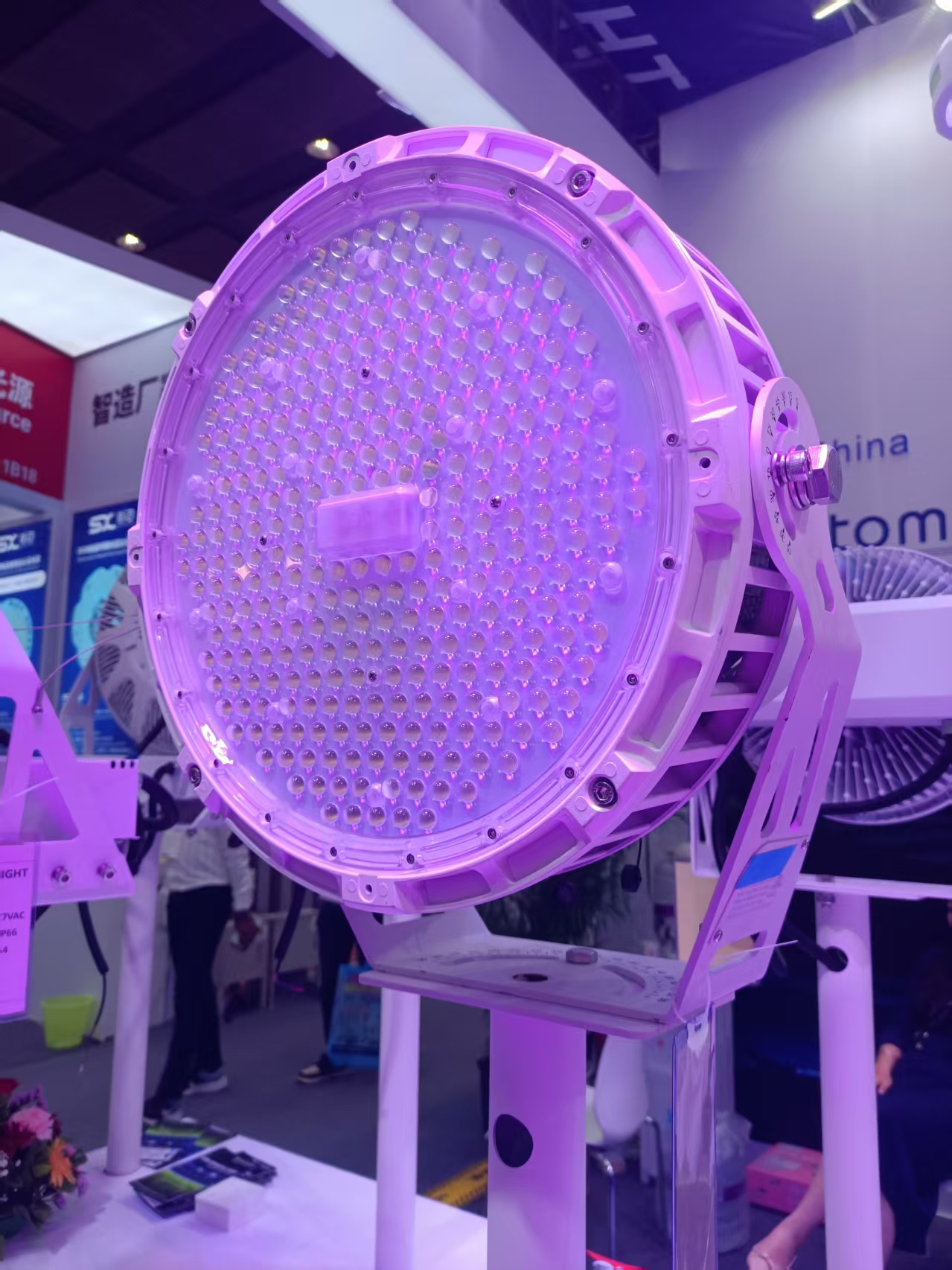
41SL LED Stadium Light for Global Projects
The FORTOMO 41SL is available in 300W, 400W, and 500W , producing 45,000–75,000 lumens with 150–170 lm/W efficacy.
For Metal Halide to LED retrofit projects , the appropriate configuration should be determined according to mounting height, fixture positions, field dimensions, illuminance, and uniformity. Photometric calculations can confirm the proposed layout.
LED Sports Light Compliance Documents
For Australian projects, buyers may need to review applicable RCM and electrical compliance requirements based on the specific product and installation.
For international projects, requirements vary by destination market. Commonly requested documentation includes:
- Product datasheet
- Test reports and certificates
- IES/LDT photometric files
- EMC and electrical safety documents
- IP protection information
- Surge protection specifications
- Installation instructions
- Warranty documentation
41SL Technical Features
The 41SL offers NEMA2–NEMA6 optics and 7°–45° beam angles , allowing flexible lighting design for different sports fields and mounting heights.
It also provides IP66 protection, optional 10kV/20kV surge protection, UGR <19 , and 0–10V, PWM, DALI, and DMX512 control options.
Key Specifications
- 300W / 400W / 500W
- 45,000–75,000 lm
- 150–170 lm/W
- IP66
- UGR <19
- 7°–45° beam options
- NEMA2–NEMA6 optics
- Optional 10kV/20kV surge protection
- Up to 100,000 hours rated life
Global Compliance for LED Stadium Lights
Certification requirements differ between Australia and other markets. Buyers should confirm the required certificates and test reports for their specific project before ordering.
The 41SL provides a flexible solution for global LED stadium lighting and Metal Halide retrofit projects , supporting distributors, importers, contractors, and sports facility developers.