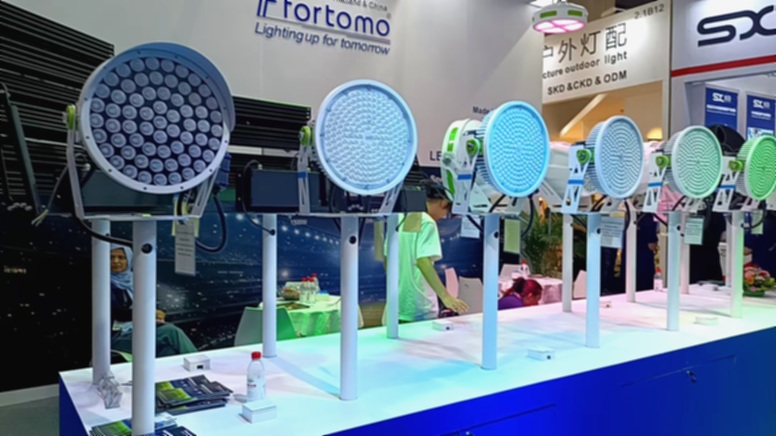
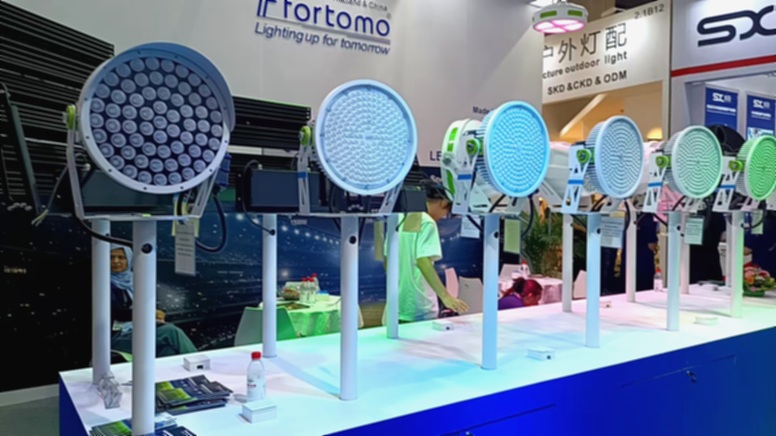
Technical Test Reports For Metal Halide LED Stadium Light Council Bids

Understanding Technical Test Reports
In the realm of sports facility lighting, particularly for stadiums, technical test reports are essential documents that provide insights into the performance and compliance of lighting fixtures. These reports highlight the efficiency, safety, and quality standards met by products like metal halide LED stadium lights. With increasing emphasis on sustainable practices, many councils are now seeking to replace MH with LED technology, aiming for energy efficiency while maintaining optimal illumination levels.

The Importance of Compliance in Council Bids
When various councils issue bids for stadium lighting projects, they often require comprehensive technical test reports. These documents must adhere to specific standards such as AS2560, ensuring all submitted lighting products meet the necessary criteria for installation and operation. Fortomo plays a significant role in providing these reports, showcasing their commitment to quality and reliability in sporting infrastructure.
Key Elements of Technical Test Reports
- Luminaire Efficiency: A crucial metric that indicates how well the fixture converts electrical energy into visible light.
- Light Distribution Patterns: Understanding how light spreads is vital for reducing shadows and enhancing visibility in competitive events.
- Color Rendering Index (CRI): This measures the accuracy with which a light source displays colors, impacting the viewing experience for spectators and players alike.
- Thermal Performance: Essential for assessing how well a luminaire manages heat, thus affecting its longevity and functionality.
Benefits of Upgrading to LED Stadium Lights
Switching from metal halide to LED solutions offers numerous advantages beyond mere compliance with council requirements. For instance, LED lights consume significantly less power, leading to lower electricity bills and reduced carbon footprints. Furthermore, many local governments offer energy rebates for upgrading to energy-efficient lighting systems, making it a financially savvy move.
Reusing Existing Poles
One practical approach that councils are adopting involves the reuse of existing poles when transitioning to LED technology. This not only minimizes waste but also reduces installation costs. By choosing to retrofitting existing setups rather than building anew, councils can maintain budgetary constraints while achieving modern lighting solutions.
The Role of Testing Standards
Adhering to relevant testing standards is paramount for the integrity of any lighting solution. The Australian SAA/RCM certification ensures that the products meet rigorous safety and performance standards. Lighting companies like Fortomo ensure that their products undergo extensive testing to achieve these certifications, thereby instilling confidence in councils looking to make informed decisions based on reliable data.
Case Studies: Successful Implementations
Numerous councils across Australia have successfully integrated metal halide retrofit solutions into their stadiums. In one notable case, a regional council conducted a comprehensive assessment comparing traditional MH lights with new LED alternatives. The findings indicated a profound reduction in energy consumption alongside improved light quality—an outcome that ultimately influenced their decision to pursue LED installations.
Conclusion
As councils continue to prioritize sustainability and efficiency in public infrastructure, the demand for thorough technical test reports will only grow. Companies dedicated to providing high-quality lighting solutions, like Fortomo, will be instrumental in navigating this transformational period. By emphasizing compliance, energy efficiency, and effective project management, stakeholders can pave the way for brighter, more sustainable sporting environments.