SAA LED Stadium Lights for Metal Halide Replacement: Global Import & Compliance Guide
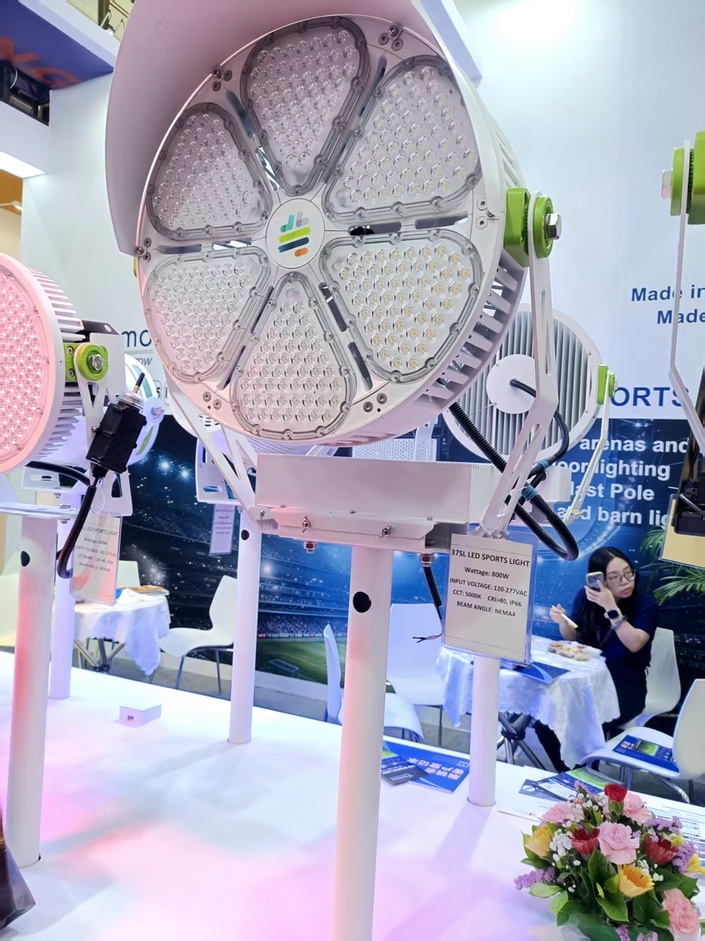
Replacing traditional Metal Halide stadium lights with LED technology can reduce energy consumption, maintenance requirements, and operating costs. For Australian projects, however, importers and lighting contractors also need to consider product certification, applicable standards, and EESS/RCM requirements before purchasing LED sports floodlights.
SAA LED Stadium Lights for Metal Halide Replacement
The FORTOMO 40SL is a 500W–750W high-output LED sports floodlight designed for stadiums, football fields, training grounds, and other large outdoor sports facilities. The product page lists SAA among its available certifications, together with UL, ETL, SPE, BIS, SASO, and CB.
For Metal Halide to LED stadium light retrofit projects , the 40SL is available in 500W, 600W, and 750W versions, with luminous efficacy of 150–170 lm/W. This provides a flexible alternative when upgrading existing high-power sports lighting systems.
Australian LED Floodlight Compliance Considerations
For Australian projects, AS/NZS 60598.2.5 is an important standard for floodlights. SAA Approvals lists AS/NZS 60598.2.5 under its lighting accreditation scope, while Australian energy-efficiency documentation also references this standard for LED floodlight equipment.
Importers should verify the exact model, applicable certificate, test reports, electrical ratings, and marking requirements rather than relying only on a general statement such as “SAA certified.”
Under the EESS framework, certification and market registration are separate considerations. A certificate does not by itself authorize a product to use the RCM or be sold in Australia; the relevant product registration and Responsible Supplier requirements also need to be addressed.
40SL Features for LED Stadium Lighting
The 40SL combines high output with flexible optical configurations for professional sports lighting. Key specifications include:
- 500W, 600W and 750W power options
- 150–170 lm/W luminous efficacy
- NEMA2, NEMA3 and NEMA4 optics
- 15°, 25°, 35° and 45° beam options
- 3000K–6000K CCT and optional RGBW
- IP66 protection
- 10kV/20kV surge protection options
- 0–10V, PWM, DALI and DMX512 controls
- 100,000-hour rated life
- 5-, 7- and 10-year warranty options
The 360° adjustable mounting design and removable driver box also support easier aiming and long-term maintenance.
Global Sourcing for Stadium LED Retrofit Projects
Australian compliance is only one part of an international sports lighting procurement project. Global buyers should also evaluate photometric performance, beam angles, surge protection, environmental ratings, driver specifications, warranty terms, and available certification documentation.
For contractors, distributors, and project developers sourcing SAA LED stadium lights , the 40SL provides a high-output platform for Metal Halide replacement , sports lighting upgrades, and new stadium projects. Before ordering, buyers should confirm the certification and documentation required for their specific Australian installation and electrical supply conditions.