Metal Halide to LED Stadium Light Conversion: A Cost-Saving Guide
Replacing traditional Metal Halide stadium lights with high-efficiency LED technology can reduce energy consumption, maintenance requirements, and long-term operating costs. However, a successful conversion requires more than simply matching the old fixture wattage.
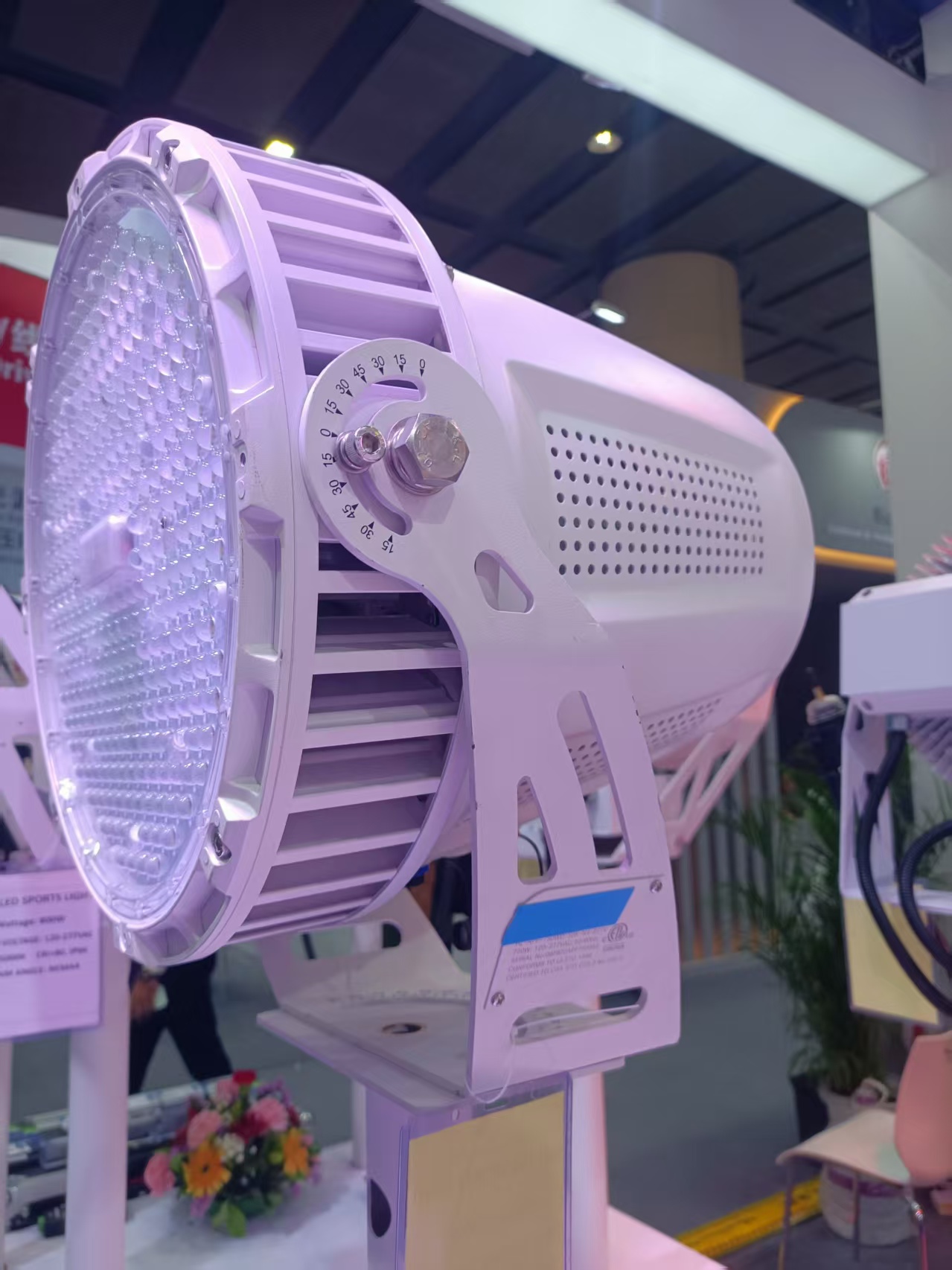
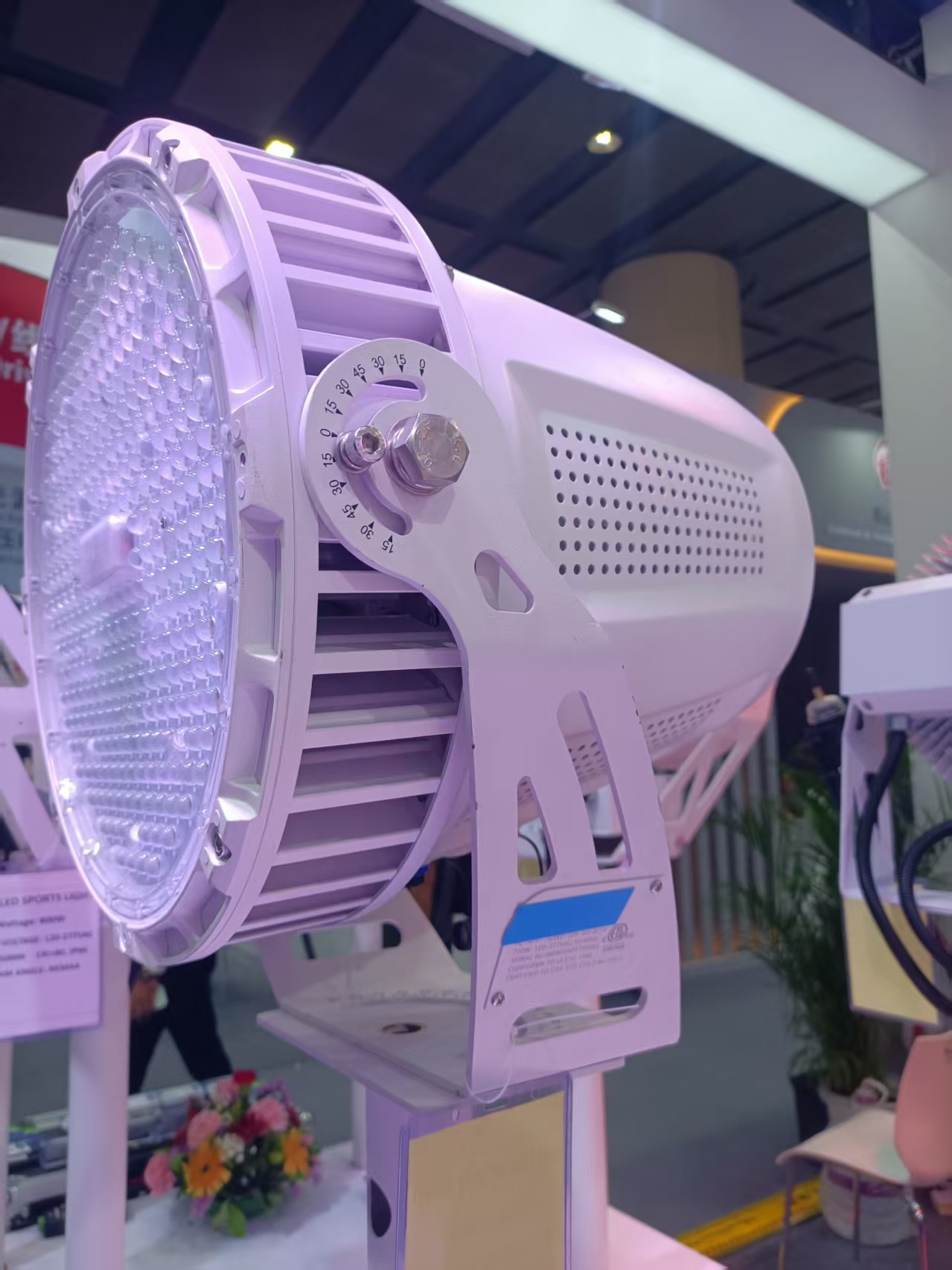
40SL for Metal Halide Replacement
The FORTOMO 40SL is a high-output LED sports light available in 500W–800W configurations , with up to 150–170 lm/W efficacy.
It can be used for stadiums, football fields, cricket grounds, sports ovals, and other large outdoor facilities. For retrofit projects, the correct LED wattage should be determined through photometric calculations based on existing pole height, fixture positions, field dimensions, and required illuminance.
Where the Cost Savings Come From
LED conversion can reduce total operating costs in several areas:
- Lower energy consumption: High luminous efficacy allows less electrical power to produce the required light output.
- Reduced maintenance: LED fixtures generally require fewer lamp replacements than traditional Metal Halide systems.
- Longer service life: Reducing frequent relamping can lower labour and access-equipment costs.
- Better control: Optional dimming allows output to be adjusted for training, recreational use, or full events.
The actual savings depend on operating hours, electricity prices, existing Metal Halide wattage, maintenance costs, and the final LED lighting design.
40SL for Outdoor Retrofit Projects
The 40SL uses a pure aluminium housing to support heat dissipation and features IP66 protection for outdoor environments.
A tempered glass front cover can be selected for strong UV resistance, making the fixture suitable for outdoor locations with intense sunlight. Optional 10kV/20kV surge protection provides additional protection for demanding installations.
The 40SL also supports 0–10V, PWM, DALI, and DMX512 control options.
Key 40SL Features
- 500W–800W
- 150–170 lm/W
- IP66 protection
- Optional tempered glass
- Strong UV resistance
- Optional 10kV/20kV surge protection
- Multiple beam angles
- 3000K–6000K CCT
- 0–10V, PWM, DALI and DMX512 controls
A Practical LED Conversion Approach
Before replacing Metal Halide stadium lights, project owners should compare the existing system with the proposed LED design. Important factors include fixture quantity, LED wattage, beam angle, pole height, illuminance, uniformity, energy consumption, maintenance costs, and local compliance requirements .
The 40SL provides a scalable option for global Metal Halide-to-LED stadium lighting retrofits , supporting distributors, importers, contractors, and sports facility operators.